Renewable Energy Defined
Renewable energy, also known as clean, green or sustainable energy, is energy powered by natural resources that we as a planet have an endless supply of. For example, Solar energy, which is energy generated through sunlight. As the sun continues to shine we will always have a source of sunlight to generate this type of renewable energy. Whilst Renewable energy is often seen as modern technology, we have in fact been using natural resources for energy for a long time now. For example, using the sun’s heat to start fires, or dry clothes, and wind to power sails and windmills.
In this blog post, we will look at the reasons why renewable energy is so important, examples of renewable energy and the advantages of going green.
What is the opposite of Renewable Energy?
Nonrenewable energy, or dirty energy, is energy generated through burning fossil fuels such as oil, gas and coal. In 2019, non-renewable fuels supplied around 80% of the world’s total energy. Unlike the natural resources used to make Renewable Energy, fossil fuels are predicted to run out within the next 40-60 years. This means that finding an alternative source of energy is essential.
Burning fossil fuels contributes heavily towards global warming, as they release carbon dioxide (CO2) and other greenhouse gases and pollutants which are dangerous to both our ozone layer and respiratory health. Carbon dioxide emissions from burning coal alone account for 44% of the world’s total. As the concentration of greenhouse gases continues to rise, as a planet we are experiencing rising global temperatures and sea levels, extreme weather events and disruptions to our ecosystem.
Fossil fuel extraction and transportation can cause significant danger to both humans and the environment. From environmental damage, such as oil spills, deforestation, and habitat destruction to health implications such as water and air pollution, non-renewable energy resources pose a threat to both human and animal life.
Examples of Renewable Energy
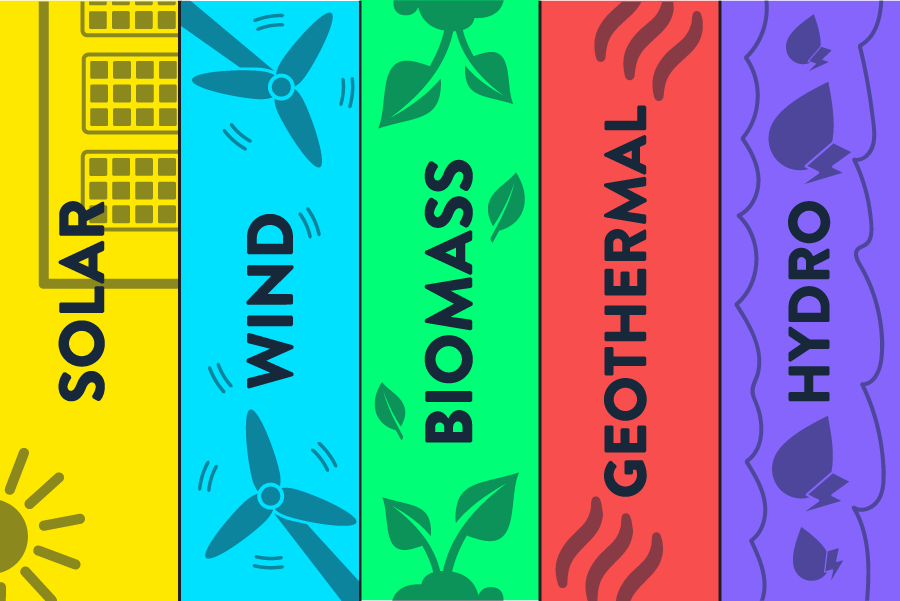
We can combat the problem of unsustainable energy sources by considering using different types of renewable energy. Renewable energy comes in many forms, each utilising the natural elements of the world around us. Examples of Renewable Energy Include:
-
Solar Energy
Solar Energy is an example of Renewable energy, which is made by converting packets of energy from the sun into heat, hot water or electricity.
-
Wind Energy
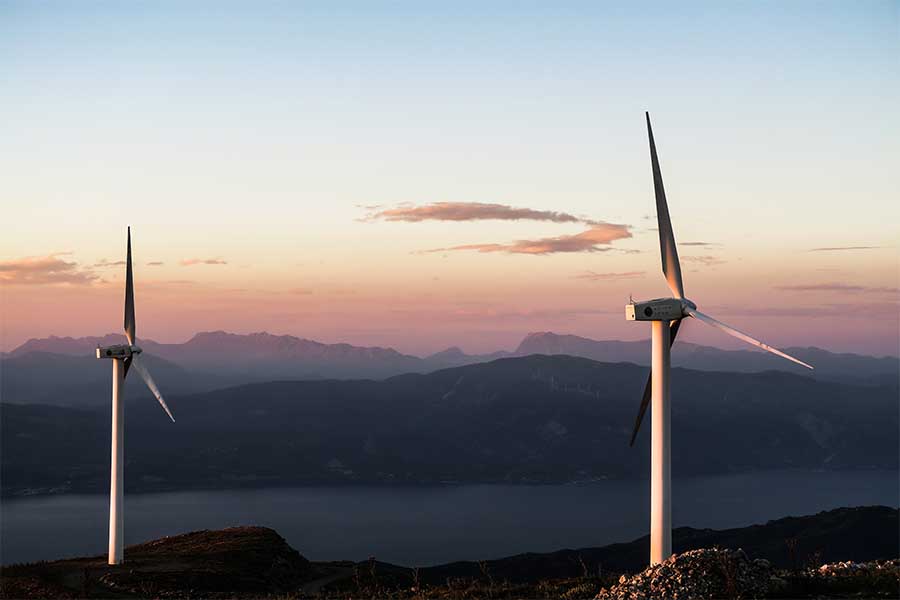
Wind energy is a form of renewable energy generated by utilising wind power. Wind Energy can be harnessed through the use of wind turbines. As the wind blows, it turns the blade of the turbine, and this kinetic energy is then converted into electrical energy by a generator. Technically, wind energy is a form of solar energy.
-
Hydropower Energy
Also known as hydroelectric power, Hydropower is renewable Energy harnessed using the kinetic energy from flowing water as it moves downstream. Essentially, hydropower uses rivers or dams to generate electricity.
-
Geothermal Energy
Geothermal energy is renewable energy derived from the Earth’s internal heat. By using the heat trapped in the soil and stones below the ground, Geothermal energy can provide electricity, heating and cooling.
-
Biomass Energy
Biomass Energy is derived from organic materials such as plants, wood, and waste. By burning these natural resources not only can it provide heat but also biofuels, such as biodiesel and ethanol. This example of renewable energy, allows you to get rid of your waste and recycle it into energy to power your home. Decreasing the litter sent to landfill sites also.
What are the Advantages of Renewable Energy?
-
Renewable Energy Will Never Run Out
As opposed to using finite resources that damage the planet and are non-renewable, Renewable energy sources are abundant in nature. As renewable energy takes environmentally friendly forms such as Solar energy, Hydroelectric, and Wind Power, they are all resources that we have an infinite supply of! This ensures long-term energy security.
-
Renewable Energy Is Better For Our Health
Causing no air pollution and working with the planet, one major advantage of renewable energy is that it is better for our health. In 2022 alone, the UK produced a total of 331.5 million tonnes of carbon dioxide. As a result, there are approximately 28,000 – 36,000 early deaths each year, due to air pollution in the UK. By switching to renewable energy sources we can reduce the amount of CO2 produced and thereby reduce the number of air pollution-related deaths. If the UK works as a collective to move to 100% renewable energy by 2050, we can reduce CO2 emissions by 70%!
-
Renewable Energy is Better For The Environment
Perhaps the most significant advantage of Renewable energy is the reduction of greenhouse gas emissions and air pollution. By diversifying our energy supply through renewables we are reducing our dependence on fossil fuels which contribute towards global warming. Renewable sources generate little to no carbon dioxide or other harmful pollutants, helping mitigate climate change and improve air quality.
For example, by installing a solar panel system, you could save the UK around 1.3 to 1.6 tonnes of carbon a year!
-
Renewable Energy Creates Jobs
Yes, renewable energy is not only good for the environment, but it also has economic benefits. For example, its ability to support employment. The renewable energy industry creates a significant amount of employment opportunities worldwide. According to the IRENA, in 2017 there were 10.3 million people employed within the renewable sector. And this is only set to rise as the sector requires more installers, researchers, developers and manufacturers.
-
Renewable Energy is Cheaper
Used to provide both electricity and heating into our homes, renewable energy is a cheaper and kinder alternative to fossil fuels. Renewable energy such as domestic solar panels, can save homeowners up to 70% on their electricity bill. Although the upfront cost of many renewable energies is expensive, once implemented they are cost-effective with little maintenance.
As technology advances, the costs of renewable energy sources like solar and wind power continue to decrease, making them increasingly competitive with fossil fuels. In addition, as renewable energy sources are available in all corners of the world, they don’t need importing. Saving further money and carbon emissions.
Can I Have Renewable Energy in My Home?
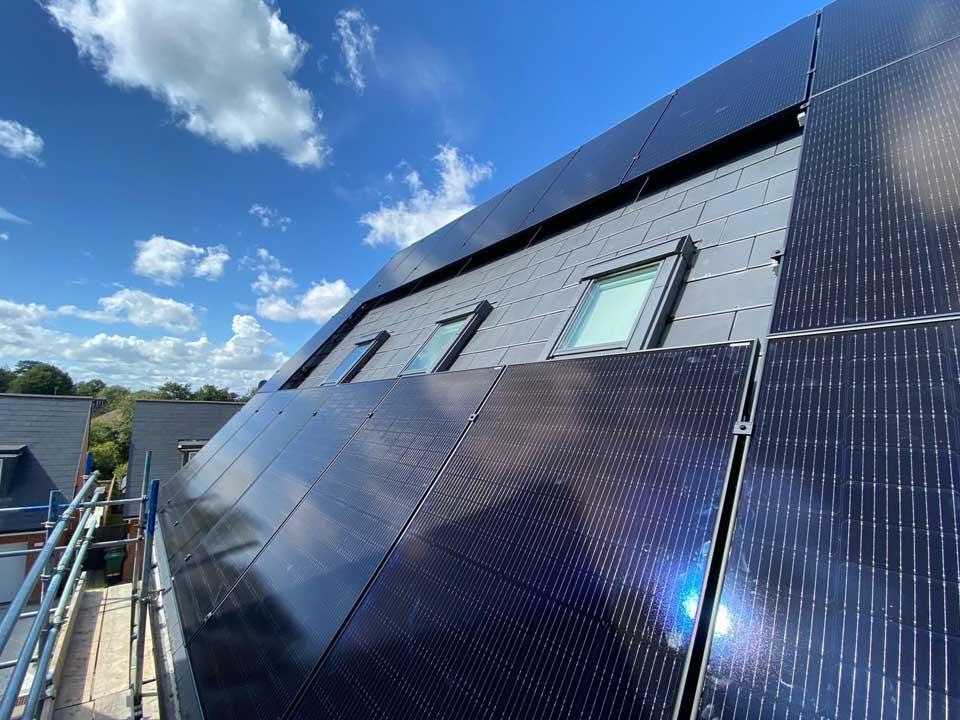
Simply Yes! You can have many types of renewable energy such as a Solar PV System or a Wind turbine installed domestically. There are many advantages of using renewable energy to power your home or business, including becoming more independent, environmentally friendly and reducing your energy bill.
Here at Deege Solar, we install Solar Panels both domestically and commercially. Renewable energy is the energy of the future, and switching today would help to support the UK as we battle against Climate Change. Read our guide for solar panels for more information, or get in touch today for your free quote on 01322 479369 or simply by clicking quick enquire now.