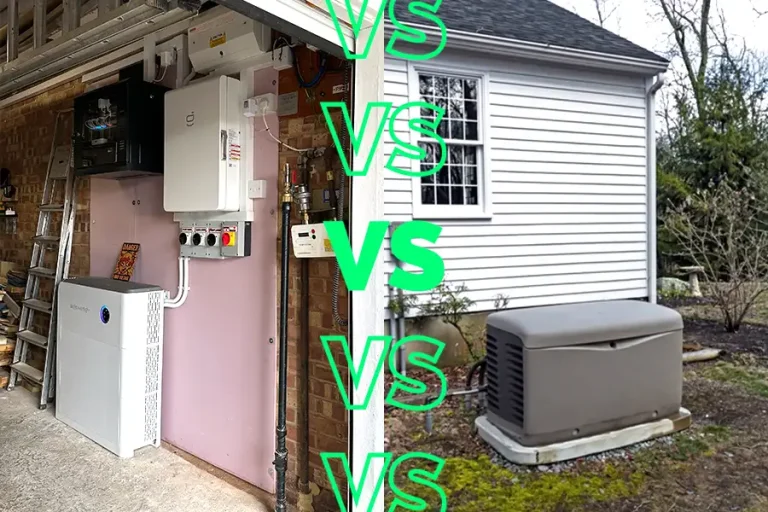
Home Battery vs Generator: Which is the Better Backup Power Solution?
When it comes to keeping the lights on during a power outage or reducing dependence on the grid, homeowners today are faced with two main options: home batteries or generators. While generators have been the traditional go-to solution for backup power, the rise of renewable energy has introduced home batteries as a cleaner, smarter, and increasingly popular alternative.
But which one is right for you, a home battery or a generator? In this blog, we’ll explore the key differences between home batteries and generators, looking at how they work, their costs, environmental impact, and long-term benefits. Whether you’re considering a solar battery to complement your solar panels or weighing up the reliability of a generator, this guide will help you make an informed decision on the best solution for your home energy needs.
What is a Home Battery?
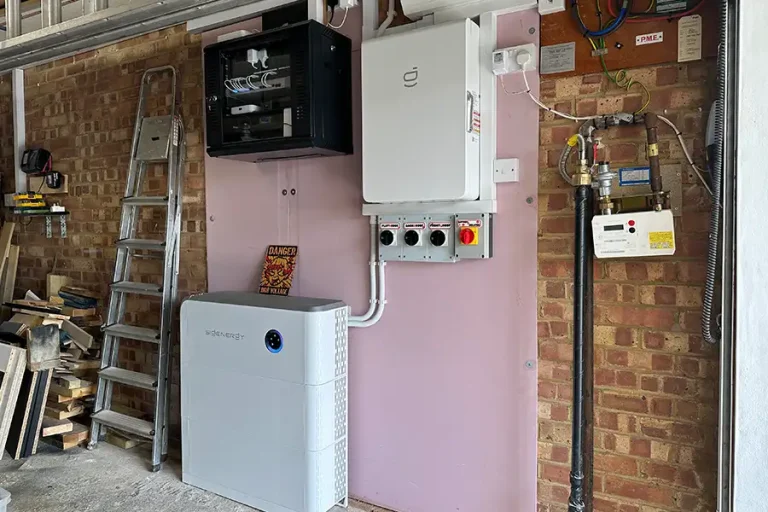
Examples of home battery storage systems include several household names such as Ecoflow, Tesla, Duracell, and Energizer. Most batteries are expandable and can be scaled up to increase capacity as your household energy needs grow.
The Pros of a Home Battery installation For Backup Power
-
Helps Lower Your Energy Bills
If you have a solar panel installation, any excess energy your system generates during the day can be stored in your home battery instead of being sent back to the grid. You can then use this stored energy in the evening or at night, reducing the need to purchase electricity at peak rates and increasing your use of free, self-generated energy.
-
Energy Independance
Home batteries are one of the most effective ways to boost your energy independence and reduce reliance on utility companies. Depending on the system you choose, a solar battery can even provide your home with backup power during a power cut. With advanced options like the Sigenergy SigenStor, which includes a solar gateway, you can achieve seamless, reliable full home protection, keeping your household running smoothly and freeing you from the uncertainty of grid outages.
-
Supporting The National Grid
A home battery can play a key role in supporting the national grid while also helping you save on electricity costs. By storing energy generated from renewable sources like solar panels, a battery allows you to use your own power when demand is high, reducing strain on the grid. In the UK, there are a variety of government incentives, that can help lower the upfront cost or shorten the payback time to make installation more accessible. An example of one of these Government Incentives, is the Smart Export Guarantee, which allows you to sell any excess energy your system produces back to the grid, offsetting costs and supporting a more balanced, resilient energy network.
Even with a home battery storage without solar, you can charge from the grid during off-peak periods when electricity is cheaper as the demand is low and discharge when prices are higher, to maximise your energy savings and help balance the grid.
-
Sustainability
A home battery installation enables home and business owners to maximise their consumption of renewable energy by storing clean energy for use when it’s needed. This not only reduces reliance on fossil fuels but also helps balance energy demand, supporting a more sustainable and efficient system.
-
Superior Warranty
In most cases, home batteries come with longer warranties compared to standby generators, although the way these warranties are measured can differ. The best solar battery brands typically offer a 10–15 year warranty, often guaranteeing a certain percentage of storage capacity over time as the battery naturally loses its ability to hold a full charge. Some manufacturers also base warranties on throughput energy, or the total number of charge/discharge cycles completed.
In comparison, home generator warranties are generally shorter, ranging from 1–5 years. These warranties often include a limit on operating hours, meaning coverage ends when the generator reaches a set number of hours or when the warranty period expires, whichever comes first.
The Cons of a Home Battery installation For Backup Power
-
Installation Costs
Although there is currently 0% VAT on battery storage in the UK, solar batteries still come with a relatively high upfront cost. While a home battery can deliver long-term savings on energy bills, the initial investment may be too expensive for some homeowners and businesses, making it a less viable option in certain cases.
What is a Generator?
A generator is a device that converts mechanical energy into electrical energy, providing power when the main electricity supply is unavailable. Most household generators run on fuels such as diesel, petrol, or LPG (liquid petroleum gas), making them a reliable, yet costly backup solution during power cuts.
When the grid goes down, a generator can be switched on manually or automatically (depending on the system) to keep essential appliances for example your lights, fridges, heating, or medical equipment running.
Generators come in various sizes and capacities, from small portable models ideal for temporary use, to large standby units designed to power an entire home or business.
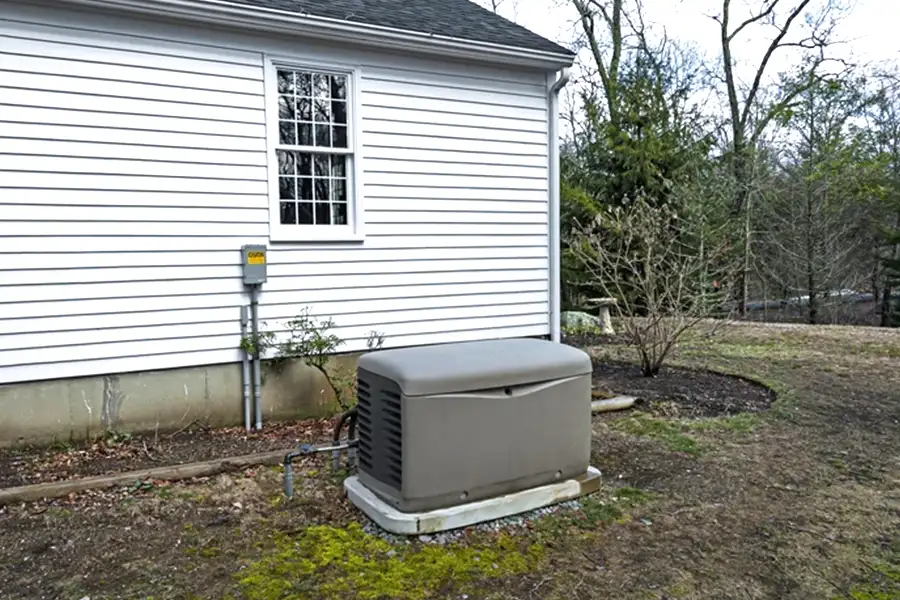
The Pros of Installing a Generator For Backup Power
-
Reliable Backup Solution
A generator is a reliable backup solution that provides on-demand energy at any time, regardless of weather conditions, and will run continuously as long as there’s fuel. It offers greater control compared to newer technologies. While home battery storage is a more recent innovation, only becoming affordable and mainstream in the 2010s with products like the Tesla Powerwall driving adoption, home generators have been widely used since the early 20th century.
-
Lower Upfront Cost
A generator is often cheaper to purchase than a home battery system, making it the more accessible often for many home and business owners.
-
Longer Lifespan
Although home generators often have shorter warranties, they can still offer a long operational lifespan. While most solar batteries have a cycle life of around 6,000 full charge and discharge cycles. Using one full cycle per day, this equates to over 16 years of daily use. In contrast, a good-quality generator can run up to 3,000 hours if properly maintained. Running a generator for approximately 150 hours per year could, theoretically, provide around 20 years of service. Naturally, the actual lifespan will vary depending on factors like how often it’s used off-grid and the household’s overall energy requirements.
The Cons of Installing a Generator For Backup Power
-
Fuel Dependant
Generators rely on fuel, such as gasoline, diesel, or propane, which needs to be stored and can be subject to price fluctuations.
-
Environmental Impact
Generators produce emissions and noise pollution, which may not align with environmentally conscious practices.
For these reasons, as well as their size, backup generators are typically installed outdoors. In contrast, home batteries are far more flexible, they can be installed indoors or outdoors, and can be wall-mounted or floor-mounted, making them easier to integrate into a home or business setting.
-
Maintenance Requirements
Generators have more moving parts and may require more maintenance over time.
Can a Solar Battery and Generator Work Together?
Yes a home battery and a generator can work seamlessly together to provide the perfect combination or energy security and power.
Just like in a traditional solar panel system, your solar panels will charge the home battery during the day. The solar battery will then power your home at night and/or during a grid outage.
When the battery capacity is low, for example long cloudy days or during an extended power outage, a backup generator can kick in to recharge the battery or directly power your essential loads. Providing any home owner living in a remote, rural location complete peace of mind.
The Benefits of Combining Both a Home Battery and Generator
-
Extended BackUp Power
Whilst a solar battery is perfect for covering short-term outages, partnering with a generator ensures energy security for longer power cuts.
-
Less Generator RunTime
-
System Flexibility
Pairing your solar panel system with both a home battery and a generator gives you the flexibility of running two different types of solar PV systems, grid-tied or off-grid.
With a grid-tied system, you can still benefit from export payments and trade energy with the National Grid, while enjoying an added layer of protection. At the same time, an off-grid solar system’s capabilities offers true energy independence, ensuring full freedom from the grid whenever you need it.
Things to Consider
Not all solar batteries support direct generator integration, so it’s important to choose a home battery and solar inverter combination with a generator input or smart port – for example, an EcoFlow, Victron, Sungrow, or GivEnergy system.
The more advanced the system, the greater the level of customisation. Some even allow you to set a State of Charge (SOC) threshold to determine when your battery should switch to generator power. Just as crucial is selecting an experienced installer, who can correctly configure your system to ensure seamless communication and operation between the generator and battery.
Final Thoughts: Which Is Better, a Home Battery System or a Generator?
Ultimately, the choice between a home battery and a generator for backup power depends on your specific needs and priorities. When weighing up home battery storage vs. generators, here are four key factors to consider:
Frequency of Use: Do you need backup power regularly or for extended periods, perhaps because you live in a remote location or rely on essential equipment that must run 24/7?
Budget: Consider your budget, as both solutions vary in upfront and ongoing costs. While home batteries have a higher initial price, generators require continual fuel expenses and maintenance.
Environmental Impact: Would you prefer a cleaner, quieter, and more sustainable solution like a solar battery, or are you prepared to accept the emissions and noise of a generator?
Power Requirements: Assess your overall energy needs, home batteries are ideal for day-to-day efficiency and shorter outages, while generators typically provide higher power output for longer demands.
Some homeowners and businesses may opt for a hybrid approach, combining a home battery with a generator to maximise reliability and efficiency. This way, you get the everyday savings, quiet operation, and sustainability of a battery, backed by the reliability of a generator for emergencies.
At Deege Solar, we’re a multi-award-winning team of solar installers in the UK. If you’d like to explore your backup power options, call us today on 01322 479369, or click the ‘Enquire Now’ button to speak with one of our expert energy advisors.