What is Net-Zero Emissions?
A term that continues to grow in popularity, ‘net-zero’ essentially refers to a state of carbon neutrality. But what exactly does net-zero mean? Put simply, net-zero is achieved when the amount of carbon dioxide being emitted into the atmosphere is balanced by the amount of carbon being removed.
In this blog we will look at why reaching net-zero is so important and ways we can get there.
The UK and net-zero
In line with The Climate Change Act, as amended in 2019, the UK is committed to reaching net-zero by 2050. The UK is also the first major economy in the world to pass laws to end its contribution to global warming by 2050.
Why is reaching net-zero important?
Achieving net-zero will alleviate the major climatic and environmental pressures that extensive greenhouse gas emissions are creating. One of the best ways we can tackle climate change by reducing global warming is through reaching net-zero. The decisions we make to limit emissions will be critical to our future. Which is why the UK’s role as a trailblazer in achieving net-zero is significant.
While it is trickier to bring emissions to zero in some sectors (such as aviation and agriculture), many sectors of the UK’s economy can be brought to net-zero using technologies and types of renewable energy. Electricity generation, for example, can be achieved with the use of clean and renewable energy such as Wind and Solar PV.
How will the UK reach net-zero emissions by 2050?
Achieving net-zero emissions by 2050 is possible, but will require some big changes across the economy. Thankfully, most of the changes the UK needs to reach our 2050 goal have their foundations already laid out. To reach carbon neutral we must:
- lower the emissions we are sending into the atmosphere, from activities such as factories, power generation, transport and agriculture.
- remove greenhouse gas emissions from the atmosphere, for example by planting more trees.
So, how can net-zero be achieved?
1. Electrifying our transport systems
Extensive electrification of both private and public transportation systems is necessary to reach a carbon neutral UK. In 2019 alone, domestic transport was responsible for emitting 122 million tonnes of carbon dioxide. This makes transport the largest emitting sector of greenhouse gas (GHG). By electrifying the UK we can reduce these numbers. Electric mobility, unlike petrol and diesel cars produce no tailpipe emissions. This can be supported by expanding our use of renewables and other methods of generating low-carbon technologies to power the way we travel.
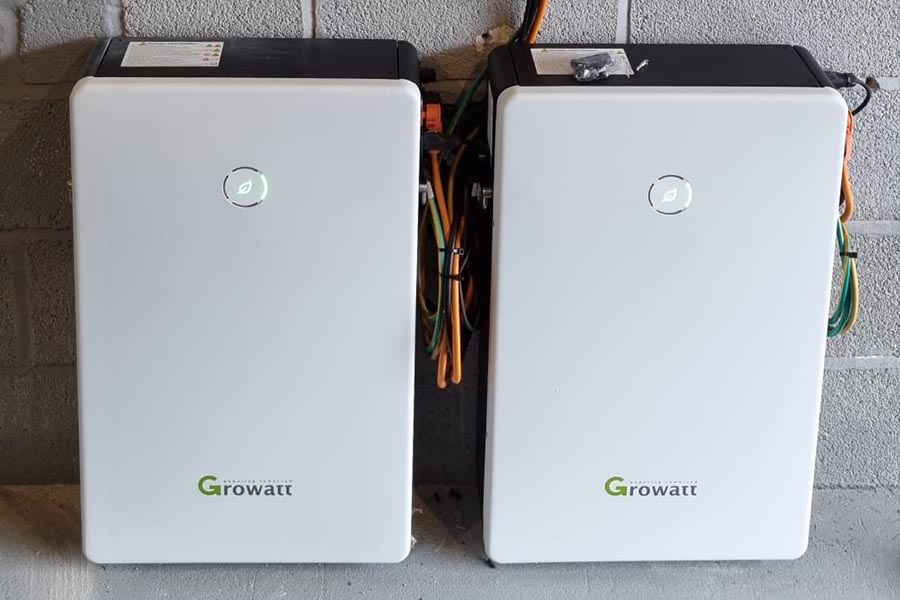
2. Renewable and efficient energy
3. Creating more employment opportunities in the green economy
If the UK plans to reach its net-zero target, providing more green jobs is a great place to start. Increasing green career opportunities will set the tone for the UK, leading to a more sustainable economy. This way the UK will be investing in a greener future, and in green innovation. Types of green jobs include work related to renewable energy, energy efficiency, and environmental management. The benefits of working in the green economy include:
- Improving human well-being and building social equity.
- Reducing environmental risks and resources.
- Finally, long-term economic prosperity.
4. Planting more carbon-eating trees
With three decades to go, tree planting has emerged as a viable option to achieving net-zero emissions. In fact, tree planting is one of the only strategies that reaches “negative emissions”. This is because all plants through photosynthesis remove carbon dioxide from the atmosphere, releasing oxygen into the air instead. Other benefits of planting more trees include:
- Providing protection, bio-pathways and food for wildlife.
- Acting as flood management (an increasing issue in the UK that accompanies climate change).
- Boosting human health.
With the UK wide target to plant 30,000 new hectares of forest every year, afforestation is in both the government’s and public’s good books. For obvious reasons.
5. Using technology such as carbon capture and storage
The UK government currently supports the development of carbon capture, usage and storage (CCUS) in the UK and internationally. As part of the Clean Growth Strategy, announced in October 2017, the British government’s approach to CCUS hopes to see the decarbonisation of the UKs economy. Reviews of the practicalities of CCUS are still underway, including the following models that will help the UK reach net-zero by 2050:
- Models to deploy carbo dioxide capture in the industrial sector.
- Models to deploy carbon dioxide capture in the power sector.
- Methods to establish the infrastructure required to transport and store carbon dioxide.